
Can Lecithin Transform Your Skincare Products’ Barrier Repair Efficacy?
What Is Lecithin, and Why Does It Matter for Skin Barriers?
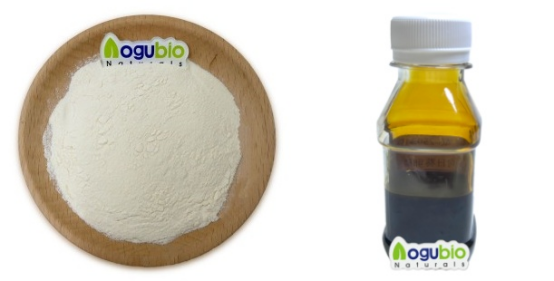
Lecithinis a group of fatty substances known as phospholipids, composed of glycerol, fatty acids, choline, and phosphoric acid. It’s a naturally abundant ingredient found in plant sources like soybeans, sunflower seeds, and rapeseed, as well as animal sources such as egg yolks. What makes lecithin unique is its structural similarity to the lipids in our skin’s outermost layer—the stratum corneum. Our skin barrier relies on a balanced mix of Ceramides, cholesterol, and fatty acids to lock in moisture and fend off external irritants like pollution, pollen, and harsh chemicals. When this lipid layer is damaged, moisture escapes, and irritants penetrate easily, leading to a host of skin problems.
Lecithin acts as a “skin-identical” ingredient: its molecular structure allows it to seamlessly integrate into the skin’s lipid barrier, filling gaps and reinforcing its integrity. Unlike synthetic ingredients that may sit on the skin’s surface, lecithin is recognized by skin cells, making it highly compatible and effective for barrier repair. Additionally, lecithin functions as a natural emulsifier, helping blend oil and water-based ingredients in formulations—ensuring products stay stable and spread smoothly on the skin. This dual role as both a skin-nourishing agent and a formulation enhancer makes it a standout choice for skincare brands.
Product Features and Advantages of Lecithin-Infused Skincare
Lecithin’s unique properties translate to several key advantages for skincare products, setting them apart from conventional formulations:
- Dual-Action Barrier Repair and Hydration
Lecithin works on two fronts: it replenishes lost lipids to repair the skin barrier and acts as a humectant, drawing moisture into the skin while sealing it in. This dual action provides immediate relief for dry, flaky skin and long-term protection against moisture loss. Unlike temporary fixes that only surface-hydrate, lecithin strengthens the barrier from within, reducing reliance on heavy moisturizers.
- Natural Emulsification for Lightweight Textures
As a natural emulsifier, lecithin eliminates the need for harsh synthetic surfactants that can irritate damaged skin. This results in formulations that are smooth, lightweight, and non-greasy—even for oily or combination skin types. Products like facial serums, gel creams, and sheet masks with lecithin spread easily, absorb quickly, and leave a silky finish without clogging pores.
- Synergistic Effect with Other Ingredients
Lecithin enhances the efficacy of other barrier-repair ingredients like ceramides, hyaluronic acid, and peptides. By improving their penetration, it ensures these ingredients work harder—maximizing the overall performance of the product. For example, a moisturizer containing both lecithin and ceramide will deliver better results than one with ceramide alone.
- Versatility Across Product Types
Lecithin’s adaptability makes it suitable for a wide range of skincare products, including:
- Facial moisturizers and day/night creams
- Anti-aging serums and eye balms (e.g., Tula’s “spresso Energizing Eye Balm”)
- Creamy cleansers and micellar waters (gentle enough for sensitive skin)
- Body butters and after-sun sprays
- Sheet masks and leave-on treatments
- Vegan and Sustainable Sourcing
With the rise of clean beauty, consumers are prioritizing ethically sourced ingredients. Lecithin derived from soybeans or sunflower seeds is 100% vegan and vegetarian-friendly, aligning with sustainable skincare trends. Brands can highlight this as a key selling point, appealing to eco-conscious consumers without compromising on efficacy.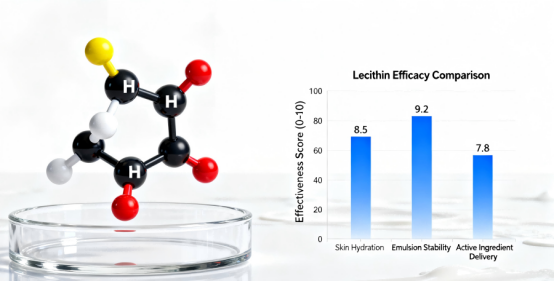
Applications of Lecithin in the Cosmetics Industry
The cosmetics industry has embraced lecithin for its versatility, with applications ranging from skincare to hair care.
- Barrier Repair Formulations
The primary application of lecithin is in products targeting damaged skin barriers. Some brand owners incorporate lecithin in their moisture-rich creams to address dryness, sensitivity, and post-inflammatory redness. These products are particularly popular among consumers with compromised barriers due to over-cleansing, harsh skincare, or environmental stress.
- Anti-Aging Products
Lecithin’s antioxidant properties (thanks to vitamin E content) help fight free radicals, reducing the appearance of fine lines and wrinkles. It also supports collagen production, maintaining skin elasticity and firmness. Anti-aging serums and night creams often use lecithin to enhance the efficacy of retinol or vitamin C, minimizing irritation while boosting results.
- Protective Skincare
Given its ability to shield against pollution and pollen, lecithin is increasingly used in “urban defense” products. These formulations create a protective layer on the skin, blocking harmful particulates and reducing inflammation caused by environmental stressors. They’re ideal for city dwellers or anyone exposed to high levels of pollution.
- Sensitive Skin Lines
Lecithin’s gentle, non-irritating nature makes it a staple in sensitive skin lines. Cleansers and moisturizers for sensitive skin rely on lecithin to clean without stripping the barrier or causing redness. It’s also used in after-sun products to soothe UV-damaged skin, reducing inflammation and replenishing lost moisture.
- Hair Care Products
Beyond skincare, lecithin is used in hair conditioners and masks to reduce static, soften strands, and improve manageability. Its emollient properties smooth the hair cuticle, reducing frizz and breakage—making it a valuable ingredient for dry or damaged hair.
The Future of Lecithin in Skincare: What’s Next?
As research into skin barrier health deepens, lecithin’s role in skincare is set to expand. Experts predict that future formulations will focus on synergistic blends of lecithin with other natural ingredients to create more potent barrier repair products. Additionally, advances in lecithin-based delivery systems—such as nanoliposomes—will further enhance ingredient penetration, opening new possibilities for targeted skincare.
For brands looking to stand out in a crowded market, lecithin offers a unique selling proposition: a natural, science-backed ingredient that delivers both immediate and long-term results. By highlighting its research-proven efficacy, safety, and versatility, brands can attract consumers seeking effective, clean skincare solutions.
Conclusion: Lecithin—A Game-Changer for Barrier Repair
So, can lecithin transform your skincare products’ barrier repair efficacy? The science says yes. From its ability to replenish skin lipids and protect against environmental damage to its role as a natural emulsifier and ingredient enhancer, lecithin offers multiple benefits that address the root causes of barrier damage. Backed by clinical studies and trusted by skincare brands worldwide, it’s an ingredient that delivers on both performance and safety.
For consumers struggling with dry, sensitive, or damaged skin, lecithin-infused products offer a path to healthier, more resilient skin. For brands, incorporating lecithin into formulations is a strategic move—one that aligns with consumer demand for natural, effective ingredients while leveraging proven scientific research. As the skincare industry continues to prioritize barrier health, lecithin is poised to become a must-have ingredient in the next generation of skincare products.
- Name: Yuki
- E-mail: sales02@nahanutri.com
- WhatsApp:+8618066950297